

Low energy? Brain fog? Loss of drive? If you’re feeling “off” but can’t put your finger on it, low testosterone in men might be the missing piece of the puzzle. Testosterone is more than just the hormone responsible for male sexual function; it influences almost every system in the body. , from metabolism and mood to muscle strength and cognitive clarity. When levels fall, your body sends out warning signs. The earlier you recognize them, the faster you can reclaim your vitality.
Testosterone isn’t just about sex drive; testosterone influences almost every system in your body, from how your metabolism functions and your mood — to your muscle strength and how clearly you think. When your levels drop, your body starts sending out signals. The sooner you spot them, the quicker you can get back to feeling like yourself again.
At Profusions Health and Wellness, we believe that understanding these signs is the first step ahead to the control of your health. Whether you’re experiencing changes firsthand or simply aiming to proactively manage your well-being, this guide will provide a comprehensive overview of low testosterone, its associated symptoms, common causes, and how testosterone replacement therapy (TRT) might offer a solution.
What Is Testosterone & Why Is It Vital?
Testosterone is mainly produced in your testicles, with a small amount coming from your adrenal glands. It’s classified as an androgen, which are hormones responsible for masculine traits and reproductive health.
Low testosterone, or “Low T,” simply means your body isn’t producing enough of this vital hormone. While it’s common for testosterone to naturally decline a bit as you age (usually after 30), things like stress, poor sleep, weight gain, and ongoing health issues can definitely speed up that process.
Low testosterone, also called male hypogonadism, can significantly affect quality of life. Clinical evidence ties it to sexual dysfunction, fatigue, cognitive impairment, depressed mood, osteoporosis, and loss of muscle mass.
Testosterone also:
- Helps you build lean muscle and manage your body fat.
- Keeps your bones strong and dense.
- Plays a role in red blood cell production.
- Significantly affects your mood, drive, and mental sharpness.
- It is crucial for your libido and erectile function.
Even a modest decline in testosterone can result in Low T symptoms, which can significantly impair quality of life.
The Common Signs and Symptoms of Low Testosterone in Men
Are you dealing with more than just a passing slump? Many of the subtle shifts you feel in your body and mind could be connected to low testosterone. Here are some of the most common signs to watch for:
- Fatigue and Low Energy:
If you’re constantly feeling run down and exhausted – even after a full night’s sleep – it could be a sign. This persistent fatigue is a hallmark symptom, as low testosterone can directly impact your energy metabolism.
- Low Libido and Sexual Changes:
A decrease in your sex drive or changes in your sexual performance, such as weaker erections or a longer recovery time, are often the first and most frequent signs of low testosterone.
- Mood Swings and Depression:
Testosterone is a key player in regulating your mood. When it’s low, you might experience increased irritability, a lack of motivation, or feelings of sadness that can sometimes be mistaken for clinical depression.
- Muscle Loss and Weight Gain:
Notice your muscles shrinking and extra fat, especially around your belly, creeping in? Testosterone is crucial for muscle growth and fat distribution, so a drop in the hormone can make it harder to maintain a healthy body composition.
- Brain Fog and Difficulty Concentrating:
Feeling mentally “foggy,” forgetful, or having trouble staying focused at work? Low testosterone can impact cognitive functions, such as memory and attention, resulting in a noticeable decline in mental sharpness.
- Sleep Problems:
Low testosterone (Low T) can disrupt your natural sleep patterns, leading to poor sleep quality and restless nights. The relationship is two-way: poor sleep can also further reduce your testosterone levels, creating a frustrating cycle.
- Reduced Bone Density:
Over time, a testosterone deficiency can weaken your bones, increasing your risk of conditions like osteopenia or osteoporosis, even at a younger age.
What Might Be Causing the Low testosterone in men?
While it’s true that testosterone naturally declines with age (about 1% per year after 30), a number of other factors can cause an early or more significant drop. It’s not always just a part of getting older.
Some common contributors to low testosterone include:
- Obesity or metabolic dysfunction: Excess body fat, particularly around the abdomen, is strongly linked to lower testosterone levels.
- Chronic stress or poor sleep: Consistently high levels of stress elevate cortisol, a hormone that actively suppresses testosterone production. Similarly, a lack of quality sleep can throw your entire hormonal system out of balance.
- Chronic health conditions: Diseases like diabetes, kidney disease, and liver disease can all play a role in lowering testosterone.
- Certain medications: Some drugs, including opioids, steroids, and antidepressants, are known to impact hormone production.
- Injury or infection: Trauma to the testicles or a past infection can impair their ability to produce hormones.
- Substance abuse: Excessive alcohol or drug use can damage the organs responsible for hormone production.
What Is Testosterone Replacement Therapy (TRT)?
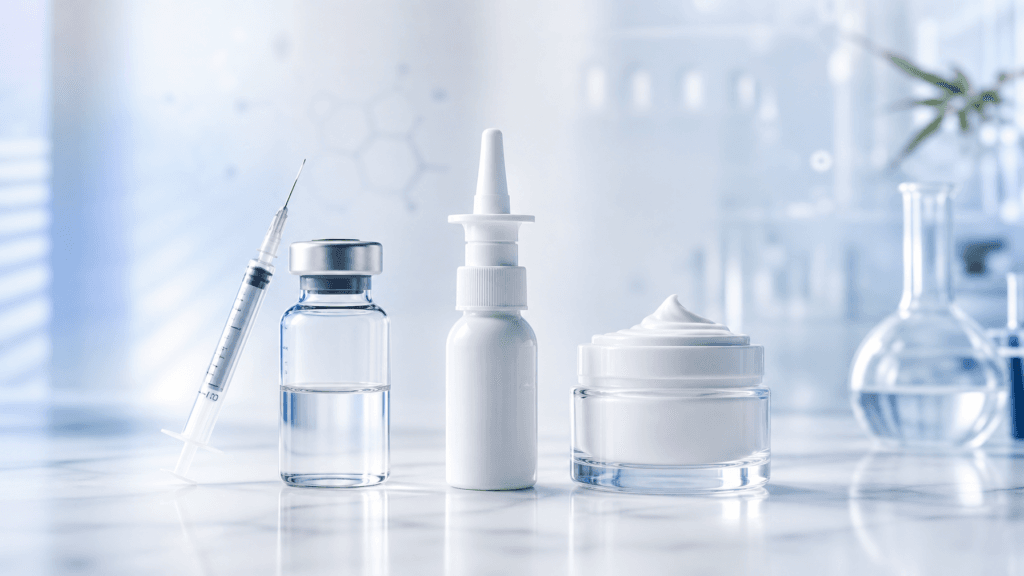
Testosterone Replacement Therapy is a medically supervised treatment that restores testosterone levels to a healthy range. Delivery methods include:
- Topical Gels/Creams: Easy to apply daily
- Injections: Bi-weekly or weekly intramuscular shots
- Patches or Pellets: Longer-term options
Benefits of TRT:
- Increased energy and stamina
- Improved mood and resilience to stress
- Stronger libido and sexual performance
- More lean muscle and less fat
- Sharper thinking and mental clarity
- Better sleep and recovery
- Improved bone strength
These benefits are most noticeable within 4 to 12 weeks, depending on the delivery method and individual health status.
You don’t have to live with unexplained fatigue, irritability, or decreased drive. If you’re experiencing multiple symptoms mentioned above, speak with a provider.
Take Action Today
At Profusions Health and Wellness, we specialize in hormone optimization and virtual care.
- Personalized lab panels
- Expert hormone consultation
- Custom TRT plans, delivered with safety and discretion
Schedule your virtual hormone consultation today – and take the first step toward feeling like yourself again.
References:
- Kelli M. Blackwell, Hannah Buckingham, Krishna K. Paul, Hamza Uddin, Dietrich von Kuenssberg Jehle, Thomas A. Blackwell. The Journal of the American Board of Family Medicine Sep 2024, 37 (5) 816-825; DOI: 10.3122/jabfm.2024.240025R1
- Barbonetti, A., & Francavilla, S. (2020). Testosterone replacement therapy. Andrology, 8(6), 1551-1566. https://doi.org/10.1111/andr.12774
- Bassil, N., Alkaade, S., & Morley, J. E. (2009). The benefits and risks of testosterone replacement therapy: a review. Therapeutics and Clinical Risk Management, 5, 427–448. https://doi.org/10.2147/tcrm.s3025
- Tsametis, C. P., & Isidori, A. M. (2018). Testosterone replacement therapy: For whom, when and how? Metabolism, 86, 69-78. https://doi.org/10.1016/j.metabol.2018.03.007
- Haymana, C., Sonmez, A. (2022). Testosterone Replacement Therapy. In: Sarikaya, S., Russo, G.I., Ralph, D. (eds) Andrology and Sexual Medicine . Management of Urology. Springer, Cham. https://doi.org/10.1007/978-3-031-12049-7_20
- Metzger, S. O., & Burnett, A. L. (2016). Impact of recent FDA ruling on testosterone replacement therapy (TRT). Translational andrology and urology, 5(6), 921–926. https://doi.org/10.21037/tau.2016.09.08
- Barone, B., Napolitano, L., Abate, M., Cirillo, L., Reccia, P., Passaro, F., Turco, C., Morra, S., Mastrangelo, F., Scarpato, A., Amicuzi, U., Morgera, V., Romano, L., Calace, F. P., Pandolfo, S. D., De Luca, L., Aveta, A., Sicignano, E., Trivellato, M., … Crocetto, F. (2022). The Role of Testosterone in the Elderly: What Do We Know? International Journal of Molecular Sciences, 23(7), 3535. https://doi.org/10.3390/ijms23073535